

Singapore is a city where modernity and tradition coexist in a fascinating balance, and one of the most culturally intriguing periods in the local calendar is the Hungry Ghost Festival. Observed during the seventh lunar month, this festival—known as Zhongyuan Jie in Mandarin—is a time when it is believed that the gates of the underworld open, allowing spirits and ghosts to roam freely in the human realm. While the festival carries a somber undertone, it is also rich with rituals, customs, and communal activities that offer insight into Chinese folklore, ancestral reverence, and Singapore’s multicultural heritage.
Whether you are a local wishing to reconnect with your roots or an international visitor curious about this unique celebration, understanding the Hungry Ghost Festival in Singapore involves exploring its origins, key practices, and contemporary observances.
Origins and Cultural Significance
The Hungry Ghost Festival has its roots in Taoist and Buddhist traditions. According to folklore, the seventh lunar month is when spirits who have no descendants or proper rites wander the earth, seeking food, entertainment, and appeasement. These spirits, known as “hungry ghosts,” are believed to be restless souls who can affect the living if neglected.
In Singapore, a nation with a substantial Chinese population, the festival is both a spiritual and social event. Traditionally, families offer food, incense, and paper offerings to honour their ancestors and appease wandering spirits. The act of giving is thought to prevent misfortune and encourage blessings, bridging the gap between the living and the dead. Beyond individual families, temples and communities also hold larger ceremonies, reinforcing social bonds and cultural continuity.
Frequently Asked Questions About the Hungry Ghost Festival
Many people, locals and foreigners alike, have questions about this unique festival. Here are some common queries answered:
1. Why is the festival celebrated?
The Hungry Ghost Festival is fundamentally about respect and remembrance. It is a time to honour deceased ancestors and provide offerings to spirits without descendants. By doing so, the living maintain harmony between worlds and ensure that restless spirits do not bring harm.
2. When is the festival held?
The festival falls on the seventh lunar month of the Chinese calendar. While the exact Gregorian dates change annually, in 2025 it spans roughly from late August to late September. The fifteenth day of the lunar month, also known as the Ghost Festival proper, is considered the peak of activity.
3. What offerings are made?
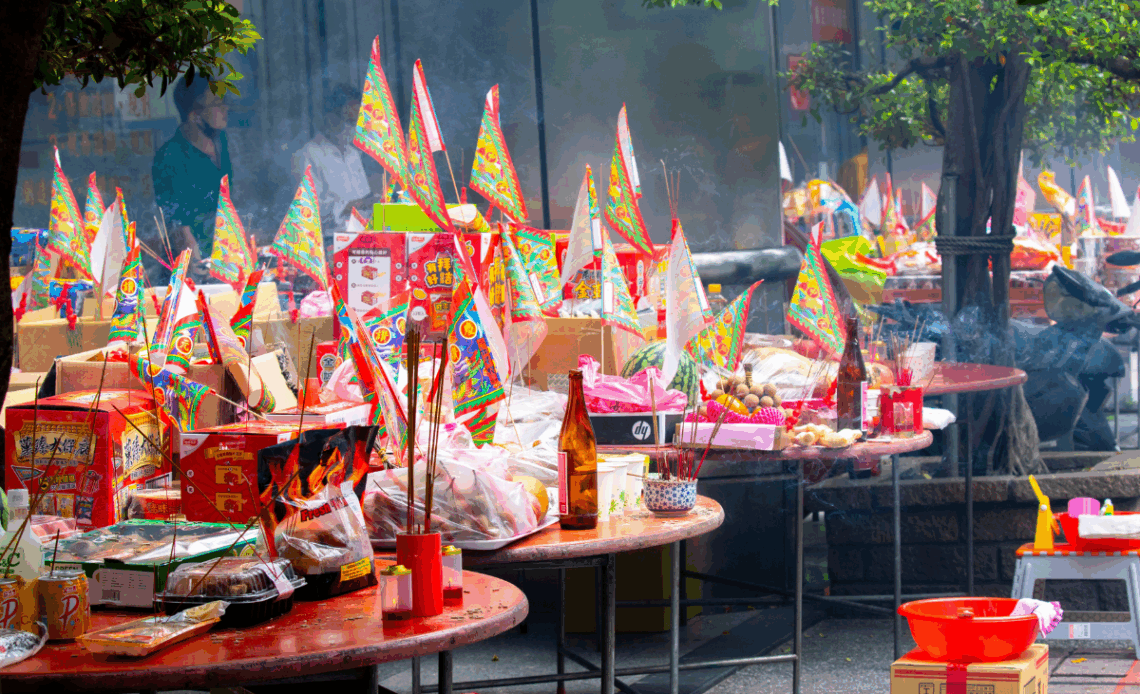
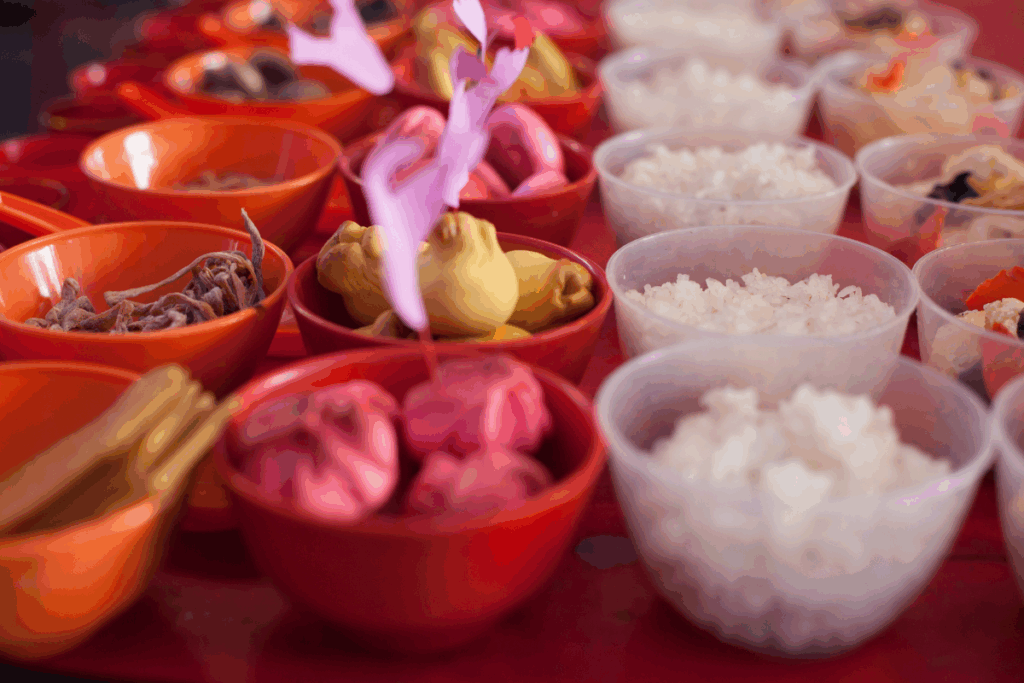
Offerings vary but commonly include food, incense, joss paper (also called “spirit money”), and symbolic items such as paper clothing or gold ingots. Families might place dishes of rice, noodles, or fruits at altars, while larger community rituals can involve elaborate food spreads for public spirits. Some households also burn paper replicas of modern goods like cars, houses, or electronics, believing these items can accompany spirits in the afterlife.
4. Are there taboos to observe?
Yes, the seventh lunar month is traditionally considered inauspicious. Locals often avoid certain activities like swimming, staying out late at night, or moving house during this period, as it is believed that wandering spirits may bring misfortune. Pregnant women are sometimes advised to exercise caution, though contemporary Singaporeans may observe these taboos more as cultural respect than strict superstition.
5. How does it differ from other festivals?
Unlike joyful festivals such as Lunar New Year or Mid-Autumn Festival, the Hungry Ghost Festival centres on appeasement, remembrance, and caution. While it includes lively elements like getai performances (more on this below), its tone remains contemplative and rooted in spiritual belief.
Key Traditions in Singapore
In Singapore, the Hungry Ghost Festival blends traditional rituals with public spectacles, creating a uniquely local flavour.
1. Street Performances (Getai)
Perhaps the most distinctive aspect of Singapore’s Hungry Ghost Festival is the getai. These are live stage performances featuring singing, dancing, and comedy, often held in open-air carparks or community spaces. Brightly lit and vibrantly decorated, getai stages are set up specifically for the entertainment of wandering spirits. Attendees, both human and spectral, enjoy the lively atmosphere while local performers showcase traditional and contemporary acts. The performances usually happen at night and can continue for several weeks, particularly in neighbourhoods with significant Chinese populations.
2. Food Offerings and Altars
Families prepare altars at home or in community temples, placing food offerings for both ancestors and wandering spirits. Rice, noodles, fruits, and cooked dishes are common, with the belief that sharing food with spirits brings prosperity and wards off misfortune. Public offerings often occur near temples or communal spaces, fostering a sense of community and cultural continuity.
3. Incense and Joss Paper Burning
Burning incense and joss paper is a symbolic act of sending respect, wealth, and good fortune to the spirit world. In Singapore, it is common to see neatly stacked joss paper ready for ceremonial burning outside homes and temples. The smoke is believed to carry prayers and offerings to ancestors and wandering spirits.
4. Lantern Lighting
Lanterns are often lit to guide spirits, illuminating pathways and marking sacred areas. Some communities organise lantern ceremonies on water or along streets, creating a visually stunning experience that mixes reverence with celebration. Lanterns also symbolise hope and protection, lighting the way for both spirits and humans.
Do’s and Don’ts During the Seventh Lunar Month
For those in Singapore during the festival, observing some cultural practices is considered respectful:
- Do: Offer food and incense if you are participating in rituals, especially at home altars or community events.
- Do: Attend getai performances or temple ceremonies to experience the festival authentically.
- Do: Respect sacred spaces and avoid loud or disruptive behaviour near temples and ritual sites.
- Don’t: Swim at night or venture into secluded areas alone, as it is believed spirits roam freely.
- Don’t: Move house, marry, or begin new business ventures during this period, especially on the fifteenth day, unless the family observes otherwise.
- Don’t: Disregard the customs if visiting friends’ homes; a small gesture of respect goes a long way.
While modern Singapore is largely pragmatic, these practices persist as a way to honour culture, family, and community.
Contemporary Observances
Despite its spiritual origins, the Hungry Ghost Festival in Singapore today is as much a social and cultural event as a religious one. Many locals treat it as a period for reflection, family bonding, and community engagement. Community centres, temples, and neighbourhood committees often organise events that combine traditional rituals with public entertainment. For instance, getai shows may feature modern pop songs alongside classic operatic performances, appealing to both younger and older generations.
The festival has also gained attention among tourists and culture enthusiasts, who are drawn to the vibrant colours, the spectacle of getai, and the intricate rituals. Walking through Singaporean neighbourhoods during the seventh lunar month offers a rare glimpse into the city’s living traditions—a blend of devotion, superstition, and celebration.
In addition, Singapore’s multicultural context ensures that the festival coexists harmoniously with other traditions. Malay, Indian, and Western festivals continue as usual, with mutual respect among communities. This coexistence reinforces Singapore’s identity as a modern city that cherishes its heritage while embracing diversity.
Experiencing the Hungry Ghost Festival in Singapore
If you wish to experience the Hungry Ghost Festival firsthand, there are a few tips to make the visit both enjoyable and respectful:
- Plan your visit around peak dates: The fifteenth day of the seventh lunar month is the festival’s climax. Expect larger ceremonies, more elaborate getai shows, and heightened community participation.
- Engage with local culture: Speak with temple volunteers or community organisers to learn the meanings behind rituals. Many Singaporeans are happy to share the history and customs with curious visitors.
- Observe respectfully: Photography may be allowed at public events, but avoid intruding on private altars or sacred ceremonies. Dress modestly when visiting temples.
- Sample festival foods: Some stalls sell traditional snacks associated with the festival, like ang ku kueh or mooncakes adapted for this period. Enjoying these treats offers a taste of cultural heritage.
Conclusion
The Hungry Ghost Festival in Singapore is a captivating blend of tradition, spirituality, and community. While it honours the unseen and venerates ancestors, it also brings people together through rituals, performances, and shared practices. Observing the festival provides insight into Chinese folklore, local customs, and the ways in which Singaporeans navigate the intersection of modernity and heritage.
Whether you are lighting incense, attending a getai, or simply walking through a neighbourhood adorned with lanterns, the festival is a reminder of the city’s rich tapestry of belief, respect, and communal life. By understanding its traditions and significance, both locals and visitors can appreciate why this age-old festival continues to resonate in contemporary Singapore, offering a unique experience that is at once spiritual, cultural, and vividly human.